
Your building plans might look perfect, but the ground underneath could have other ideas. Coastal Georgia’s sandy soil, high groundwater levels, and hidden clay layers can create serious problems for new concrete foundations. Ignoring these conditions could leave you dealing with uneven settling, cracked concrete, and costly repairs.
Griffin Contracting understands the challenges of building on coastal soil and the importance of preparing the ground correctly. Hiring experienced concrete contractors in Savannah, GA, helps you avoid mistakes that could affect your building for years. Proper grading, soil preparation, and foundation construction give your project the support it needs before the walls go up.
A strong foundation starts with knowing what’s happening beneath the surface.
Keep reading to learn how Coastal Georgia’s soil conditions could affect your new concrete foundation.
Key Takeaways
- Loose sand and hidden clay layers can cause your concrete foundation to shift long after construction ends.
- High groundwater and poor drainage can weaken the ground supporting your new building.
- Proper soil preparation and the right foundation support can help prevent expensive structural problems.
Loose Sand Creates Uneven Support
Sand can feel firm under your feet but shift when a building’s weight presses down. Areas with loosely packed grains may sink more than the ground around them. This uneven movement can put stress on the concrete and lead to cracks as the structure settles.
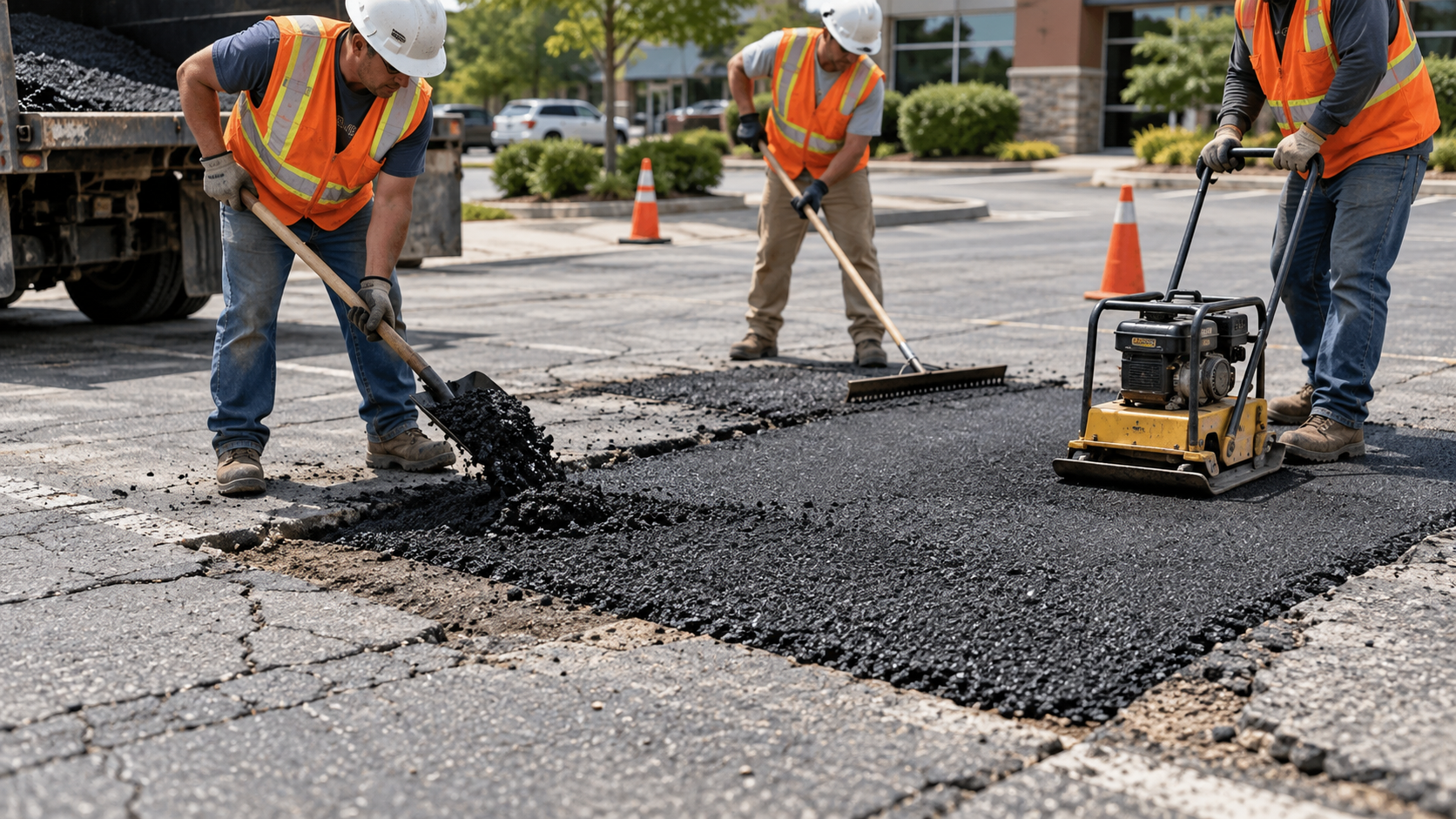
Ground preparation helps address these weak spots before the foundation takes shape. Griffin Contracting prepares building sites by grading the ground and compacting suitable soil to create a stable base. Soil testing can confirm whether the ground meets the support needs of the planned foundation.
Hidden Clay Layers Cause Uneven Movement
Clay buried beneath sandy soil can swell after heavy rain and shrink during dry weather. This movement may push against the foundation in some spots while leaving gaps in others. Over time, the changing pressure can cause cracks in concrete floors and walls.
Surface inspections won’t always reveal clay hiding deeper underground. Property owners hiring concrete contractors in Savannah, GA, should consider soil testing before foundation work begins. Engineers can use those findings to plan the right support system, while Griffin Contracting handles the foundation work according to the approved design.
Poor Drainage Washes Away Support
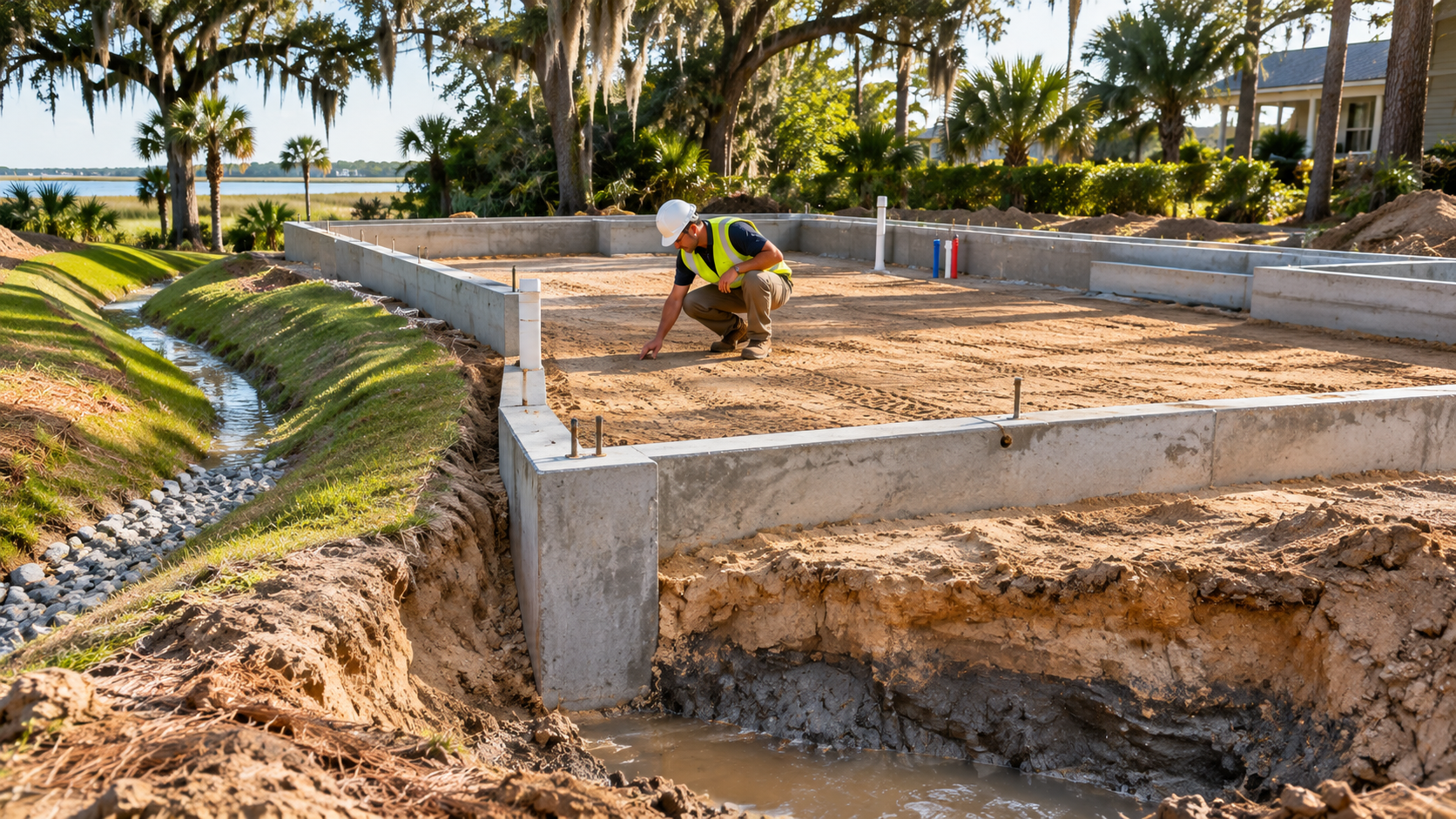
Stormwater rushing across a construction site can carry away soil near a new foundation. Heavy rain may carve small channels in loose dirt and expose areas around concrete footings. As the soil washes away, parts of the foundation can lose the ground holding them in place.
Standing water near the building can also soften the prepared soil and slow construction. Griffin Contracting uses grading and drainage methods to guide runoff away from foundation areas. Shaping the ground and planning drainage paths helps protect the soil beneath the concrete during coastal storms.
Contact Our Experienced Concrete Contractors in Savannah, GA
A solid-looking lot means little if loose sand, buried clay, or groundwater threatens your foundation. Griffin Contracting handles the site preparation and concrete work needed to address challenging ground conditions before construction moves forward. Put experienced contractors on your project early and avoid letting hidden soil problems become expensive surprises.
Frequently Asked Questions
What causes a new concrete foundation to settle unevenly?
Loose sand, poorly compacted fill, and buried clay layers can cause different parts of a foundation to sink at different rates. Proper soil testing and ground preparation help contractors identify these risks before construction begins.
How does salt in coastal soil damage concrete foundations?
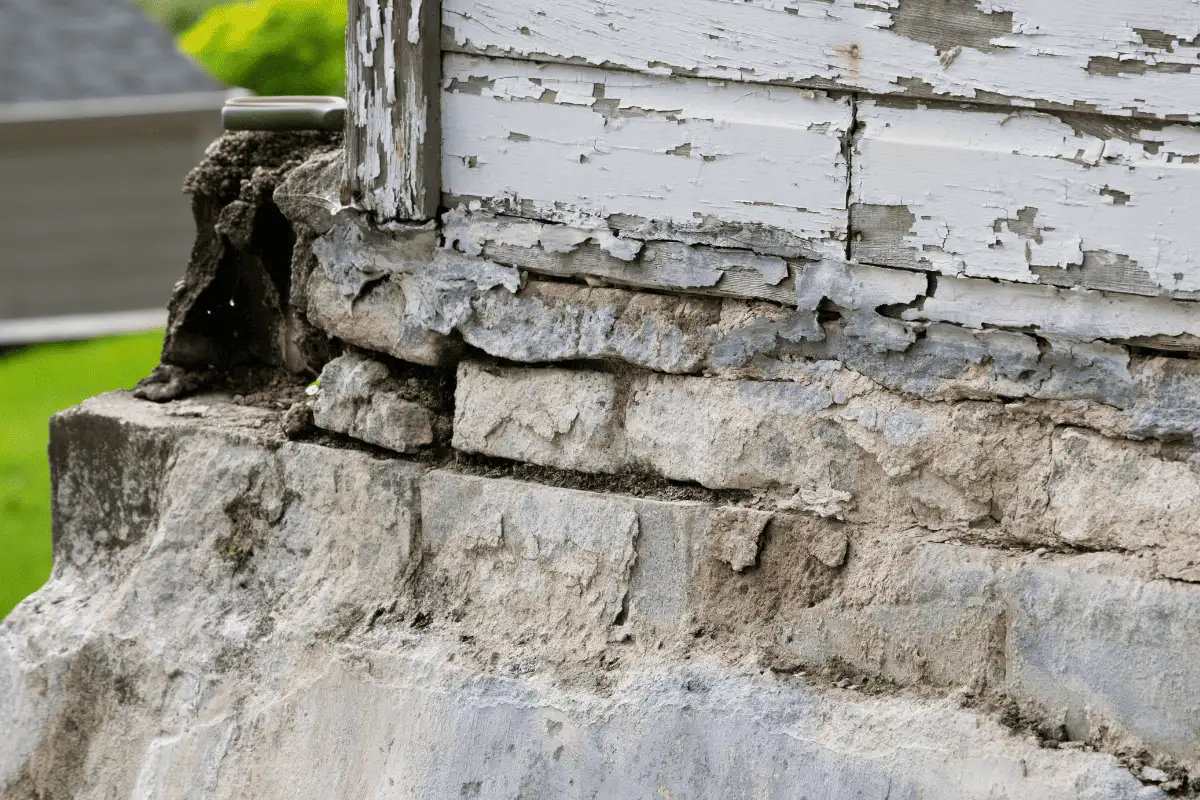
Salt carried by groundwater can reach steel reinforcement through cracks or porous concrete and cause corrosion. Rusting steel expands and creates pressure that can crack or weaken the surrounding concrete.
Should soil testing happen before concrete foundation construction?
Yes, soil testing helps identify weak ground, hidden soil layers, and conditions that could affect foundation stability. Engineers use these findings to select the right foundation design and determine if deeper support is needed.