

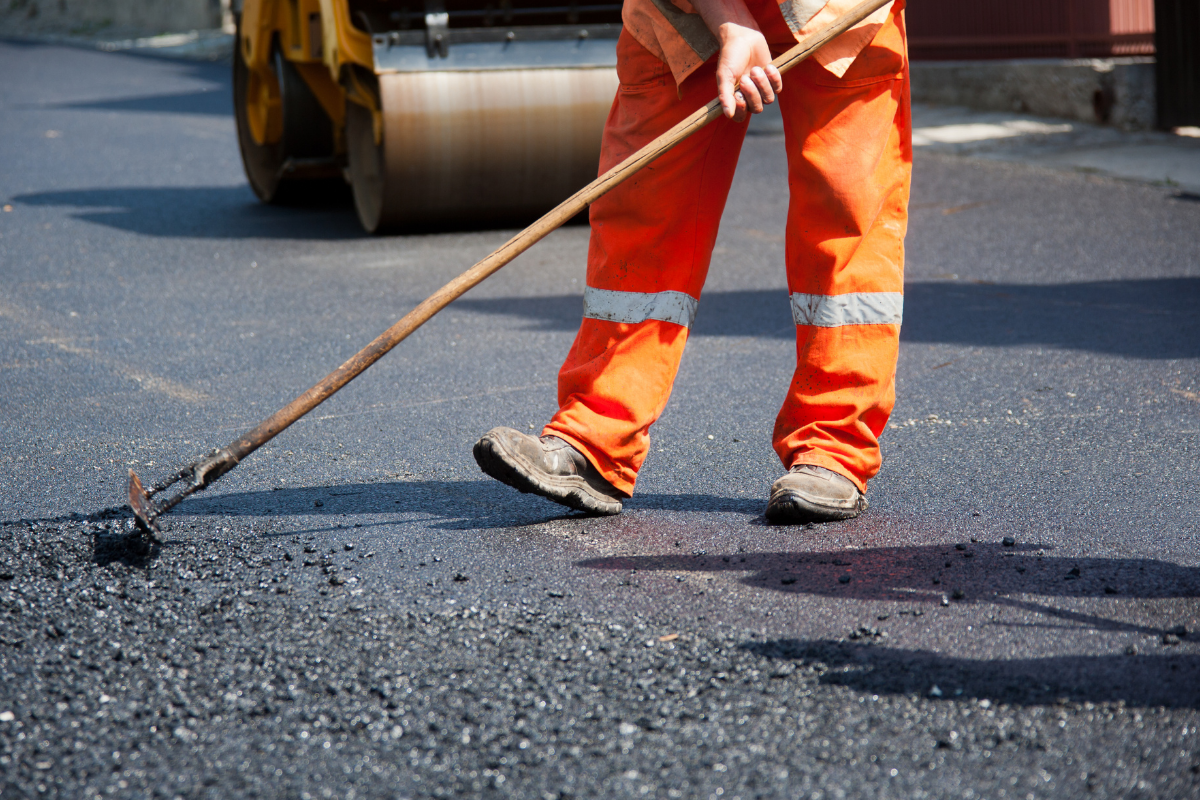
Fresh asphalt isn’t always enough to fix a worn-out surface. Without proper prep, new pavement can fail faster than expected. That’s where milling comes in.
Paving contractors in Savannah, GA, such as Griffin Contracting, utilize milling to address surface issues before installing new asphalt. It’s not about doing extra work, it’s about doing the right work. Milling improves the structure, performance, and appearance of the final result.
Read on to see why professional contractors take this extra step before every paving job.
Key Takeaways
- Milling solves hidden problems, such as poor drainage, surface cracks, and weak bonding, before new asphalt is laid down.
- Paving without milling can result in rough surfaces, accelerated wear, and more frequent repairs.
- A properly milled base helps asphalt adhere better, last longer, and appear smoother from the start.
Remove Weak Spots Early
Covering damaged pavement doesn’t solve the issue. It traps the problem underneath and sets the stage for faster failure. Milling clears the surface, allowing crews to check for soft spots and make actual repairs.
A strong base keeps pavement from sinking, cracking, or breaking apart too soon. Milling provides contractors with the opportunity to build on solid ground, rather than a broken layer. That helps new asphalt last longer and look better from the start.
Protect Drainage And Grading
Water follows the shape of the pavement, so even small dips cause it to flow in the wrong direction. Milling removes the uneven top layer and resets the surface so water moves where it should. Paving contractors in Savannah, GA, use this step to reduce standing water and slow down erosion.
Poor drainage stresses pavement and shortens its life. Milling helps restore the correct slope before new asphalt is laid down. Griffin Contracting utilizes this process to prevent water from reaching weak areas and to support a longer-lasting surface.
Keep Your Surface At The Right Height
Stacking new asphalt on top of old layers raises the surface. That creates bumps, trip hazards, and poor transitions at curbs or driveways. Milling removes just enough to maintain a consistent and safe height.
Driveways and sidewalks work best when they stay flush with the road. If the pavement sits too high, it throws off the slope and blocks runoff. A milled surface keeps everything aligned from the first day.
Improve Ride Quality
A smooth surface starts with a clean, even base. When the old pavement has dips or ripples, new asphalt won’t fix the feel. Milling clears those spots so your pavement feels steady and solid.
Bumpy pavement isn’t just annoying. It also wears out tires, shocks, and other parts faster. Milling helps deliver a smoother ride for drivers and a better walking surface for pedestrians.
Contact Our Paving Contractors In Savannah, GA
Good paving begins long before the first layer of asphalt is laid down. Griffin Contracting uses milling to fix hidden issues and create a smoother, tougher surface that holds up over time. If you want pavement that performs better and lasts longer, don’t skip the step that makes it possible.
Frequently Asked Questions
What happens if you skip milling before asphalt paving?
Skipping milling leaves cracks, weak spots, and drainage issues under the new asphalt. These hidden problems can lead to early surface failure and more repairs down the road.
How does milling improve the bonding of new asphalt?
Milling creates a rough surface that helps fresh asphalt grip and stay in place. Without that texture, the top layer can shift, crack, or separate from the base.
Is milling worth the extra cost in a paving project?
Yes, because it lowers long-term maintenance by creating a stronger, smoother base. Milling helps prevent early wear, saving you time and money over the life of the pavement.