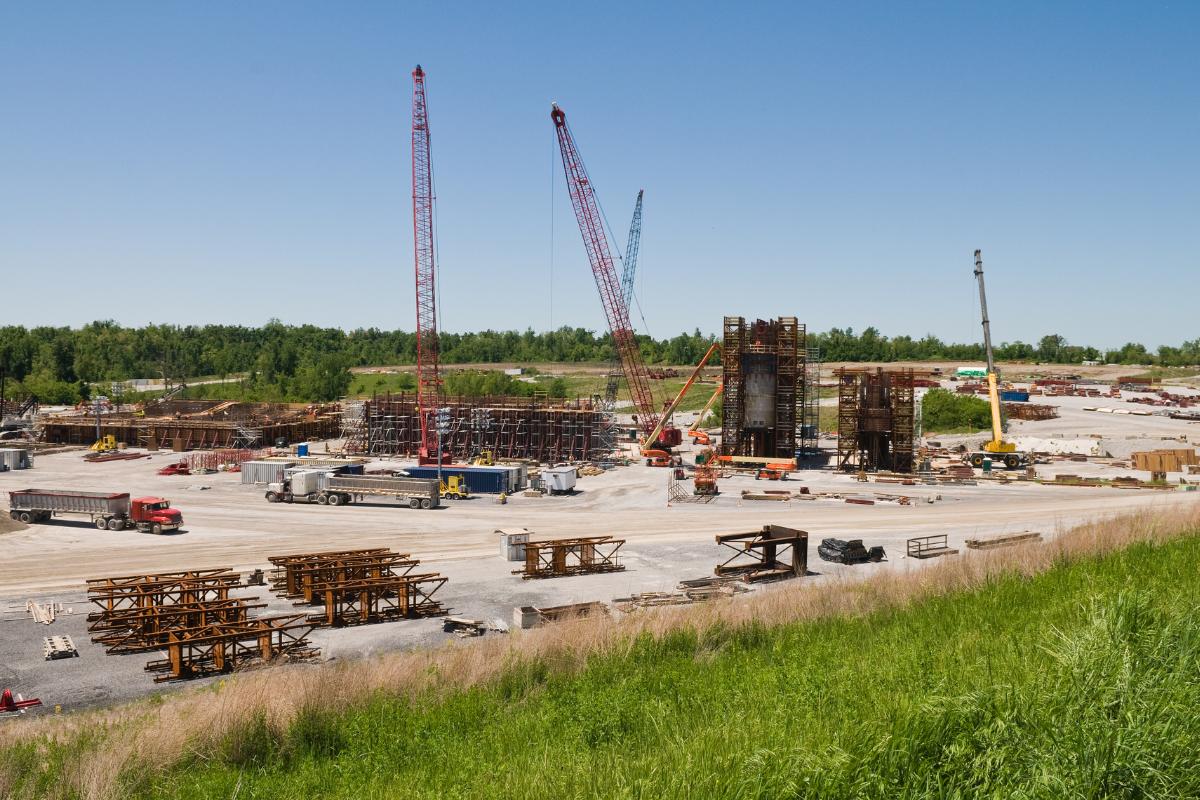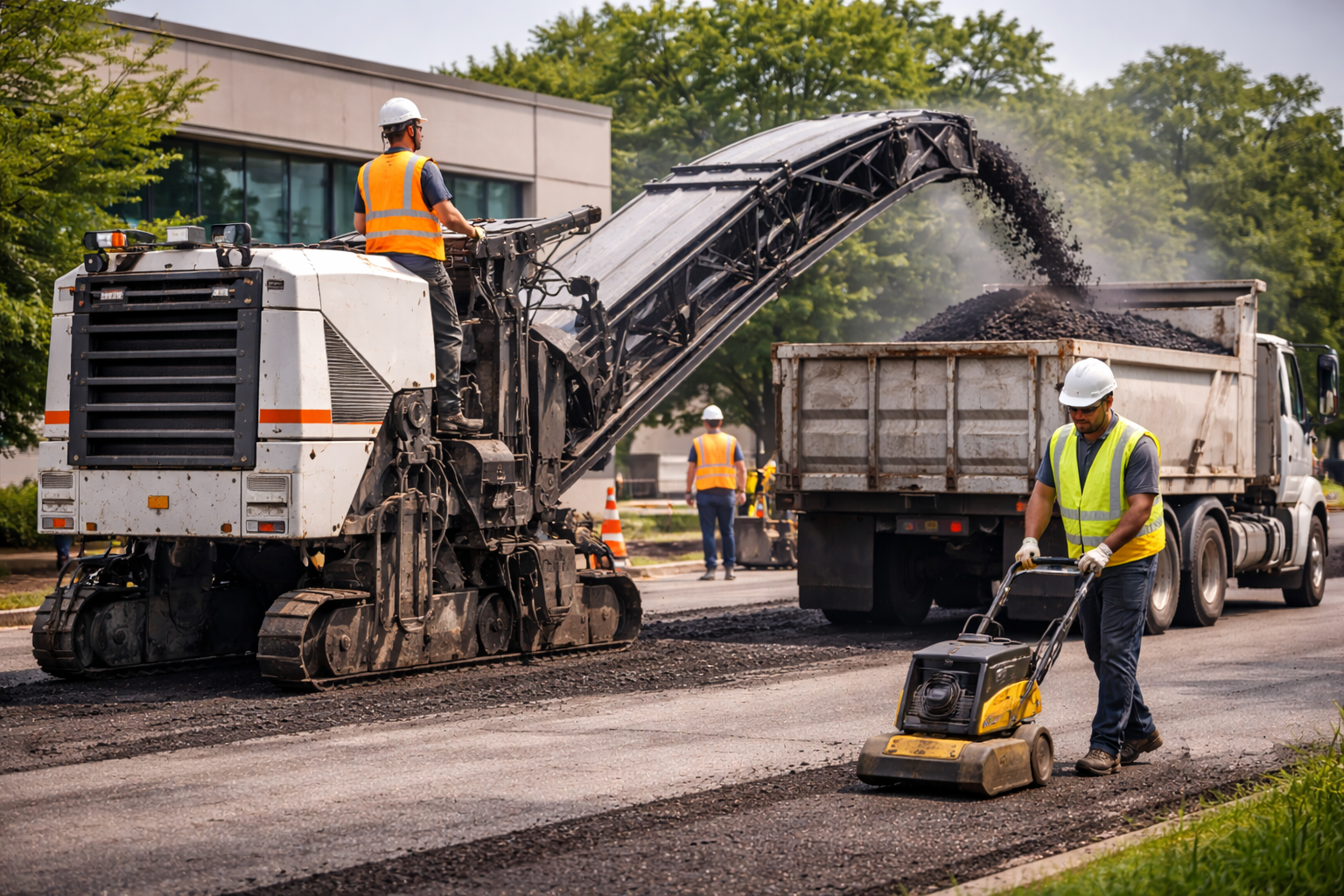

A building site can look clear, flat, and ready, but the ground often tells a different story once work begins. Professional site prep in Savannah, GA, helps uncover the problems that slow crews down before they turn into bigger costs. Griffin Contracting gives builders a better starting point by helping prepare the site with the right plan, equipment, and crew.
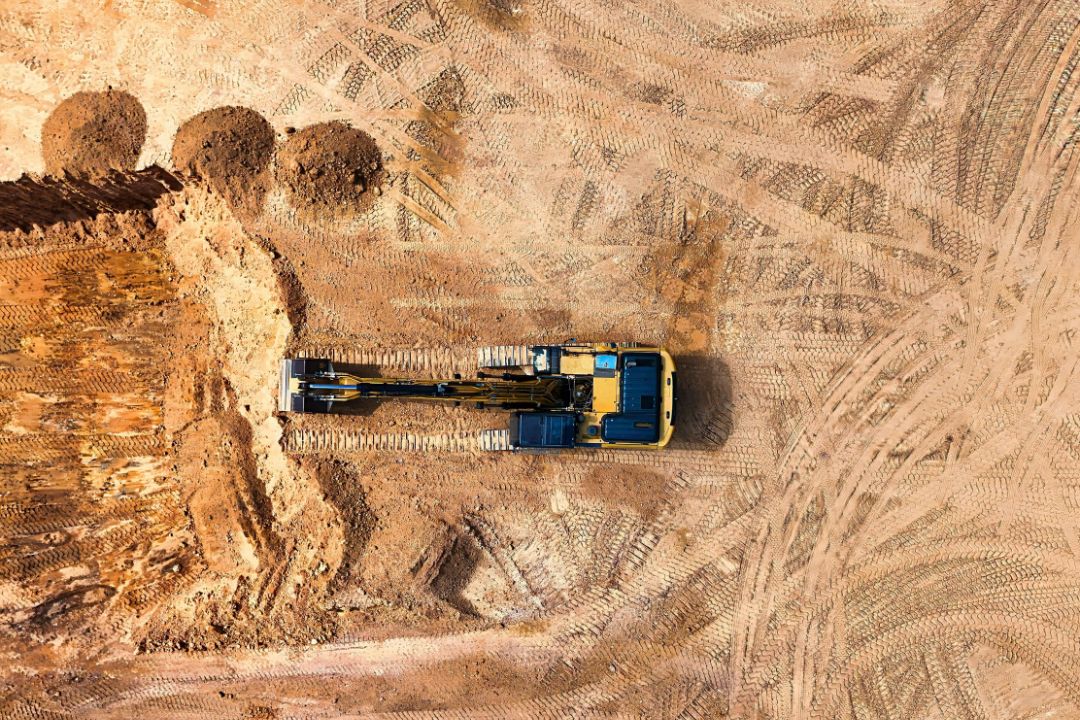
Good site prep is about more than moving dirt. Drainage, access, utilities, soil conditions, demolition, materials, and concrete planning all need to work together. When one part gets missed, the whole project can feel it.
Here are the warning signs that a site is not ready for building construction.
Key Takeaways
- Site problems often hide in plain sight, and they can slow the job before building even starts.
- Strong site prep connects drainage, soil, access, utilities, demolition, and materials so crews are not forced to fix problems later.
- A site is truly ready when the ground supports the plan, not when it only looks clear from the surface.
Water Has No Clear Exit
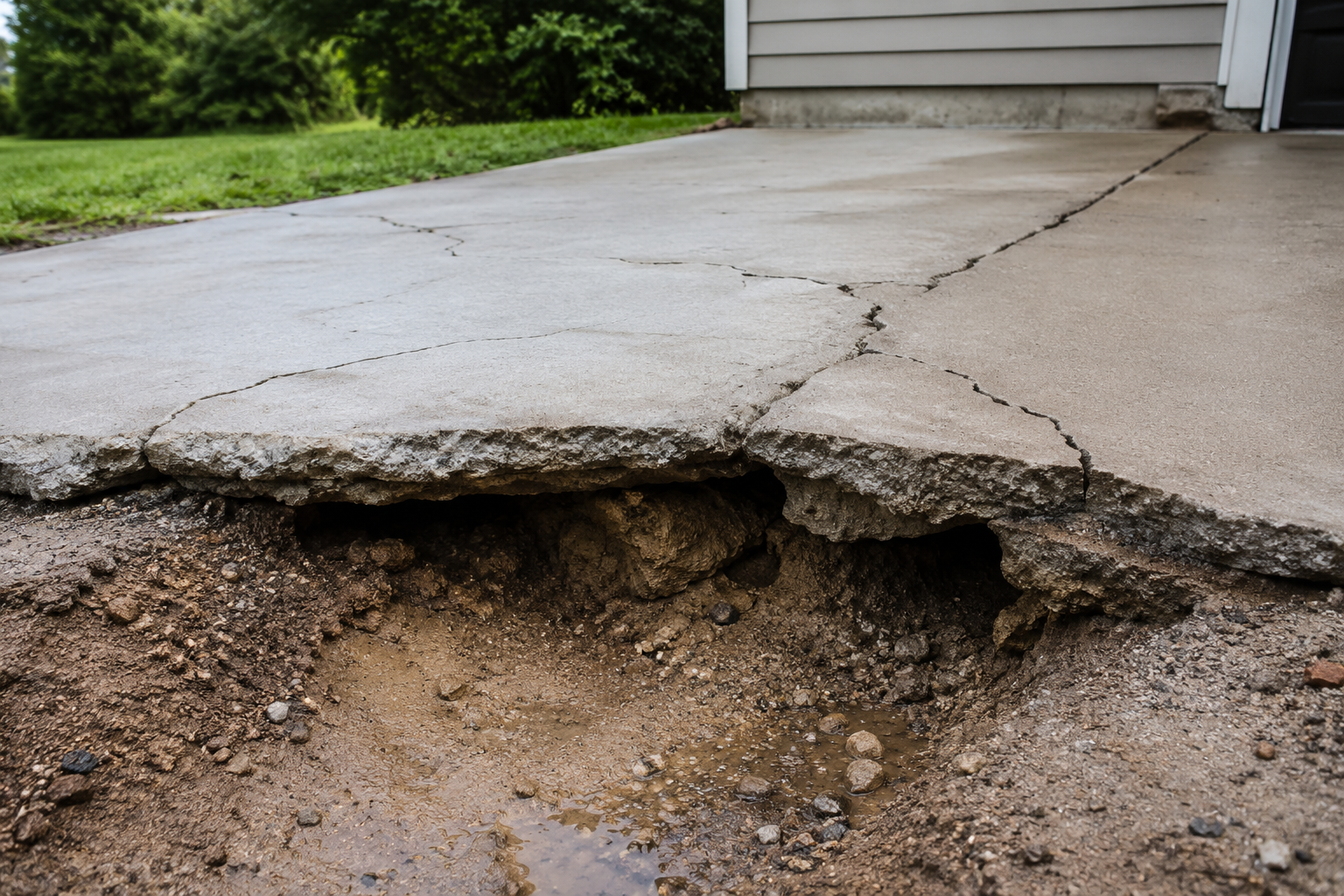
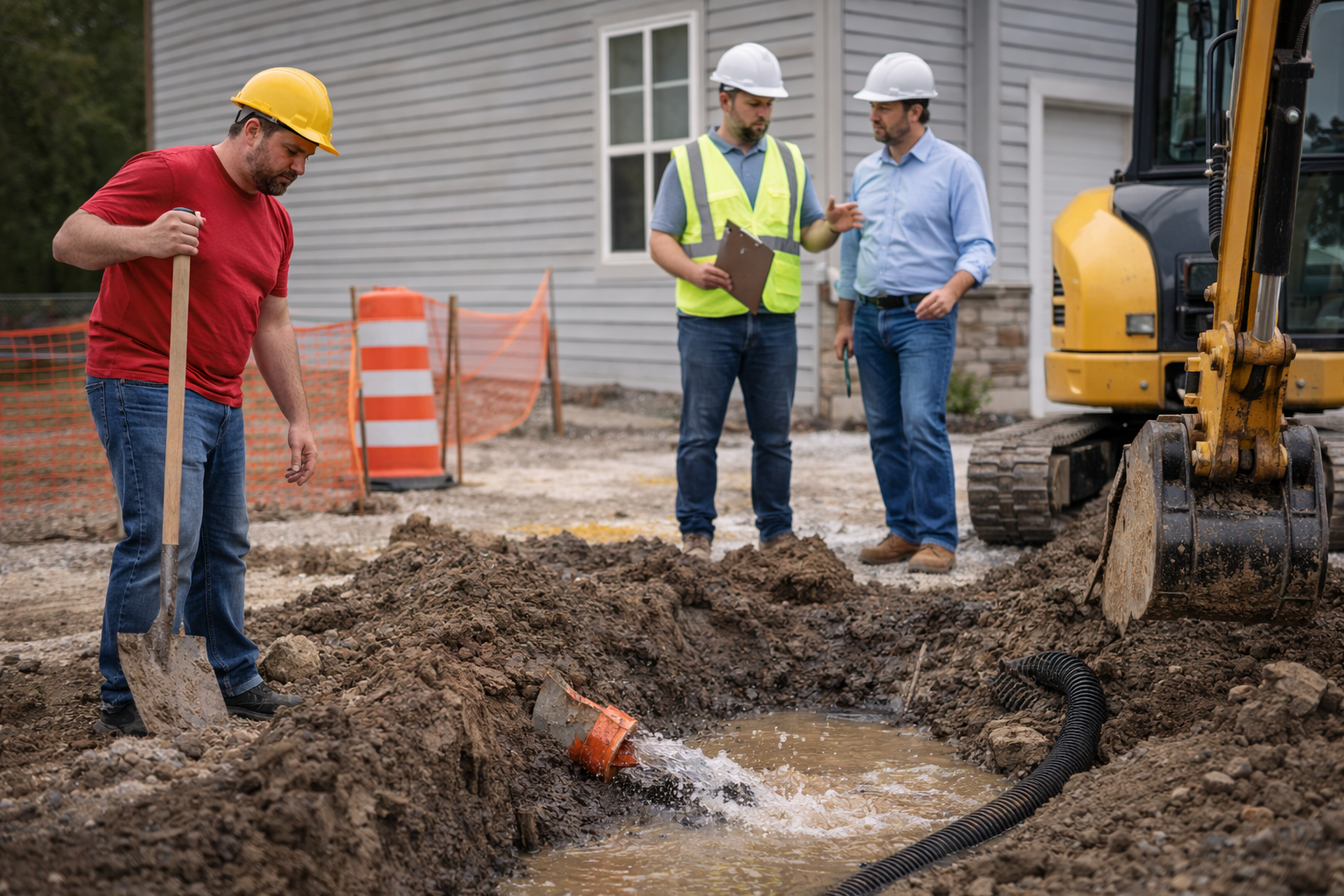
Standing water is one of the first signs a site is not ready for building. Runoff needs a clear path, or it can move toward pads, trenches, access roads, and future foundations. Wet ground can slow crews down before the real work even gets started.
Poor grading can turn a clear lot into a messy job site fast. Griffin Contracting helps shape the ground, manage drainage, and install storm sewer systems so water goes where it should. Better site prep keeps the project moving because the ground is planned for rain before problems show up.
Stormwater Is Still An Afterthought
Rain can expose a weak site plan before crews ever start vertical work. Poor runoff control can fill trenches, weaken base material, cut into slopes, and damage pavement near the work area. Treating drainage as a later step leaves the site open to delays that should have been planned out early.
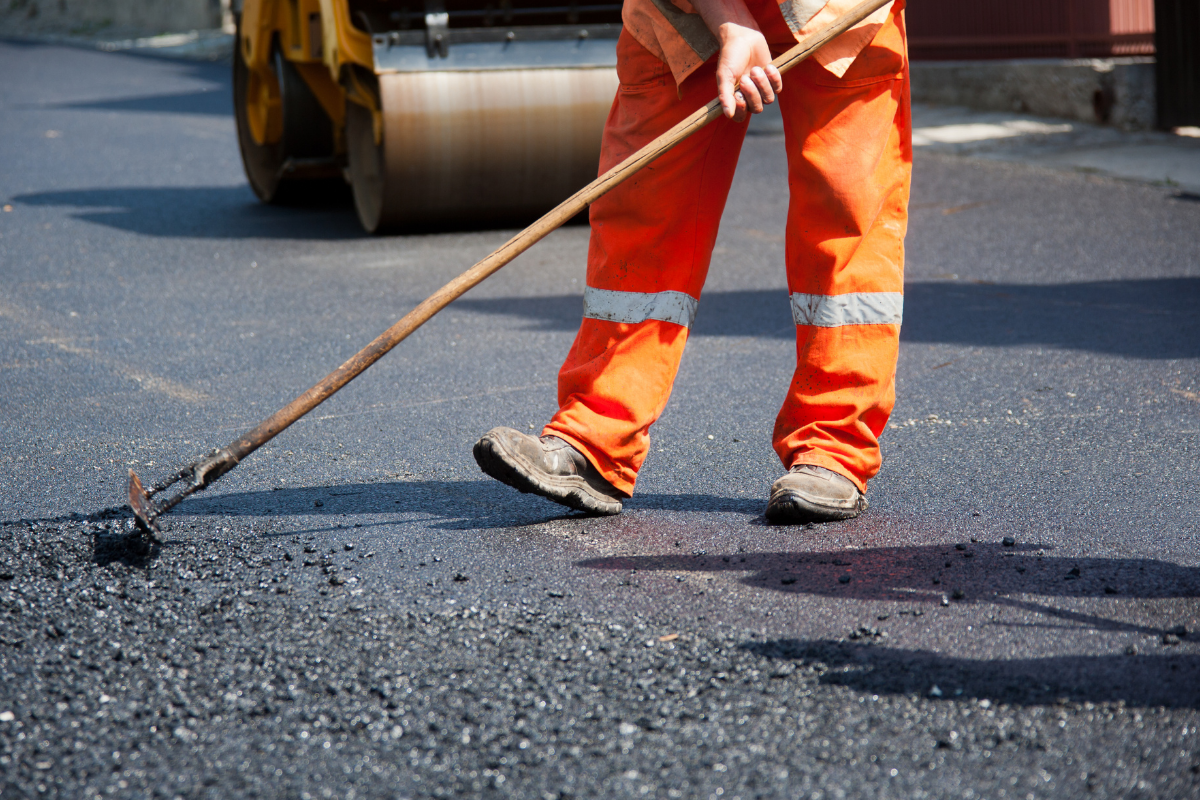
A better stormwater plan gives water a place to go before it starts tearing through the job site. Clean drainage paths help protect access roads, work zones, and prepared ground after heavy weather moves in. Construction runs smoother when runoff is handled as part of site prep, not as a problem left for the crew to chase later.
Concrete Work Is Being Planned Too Late
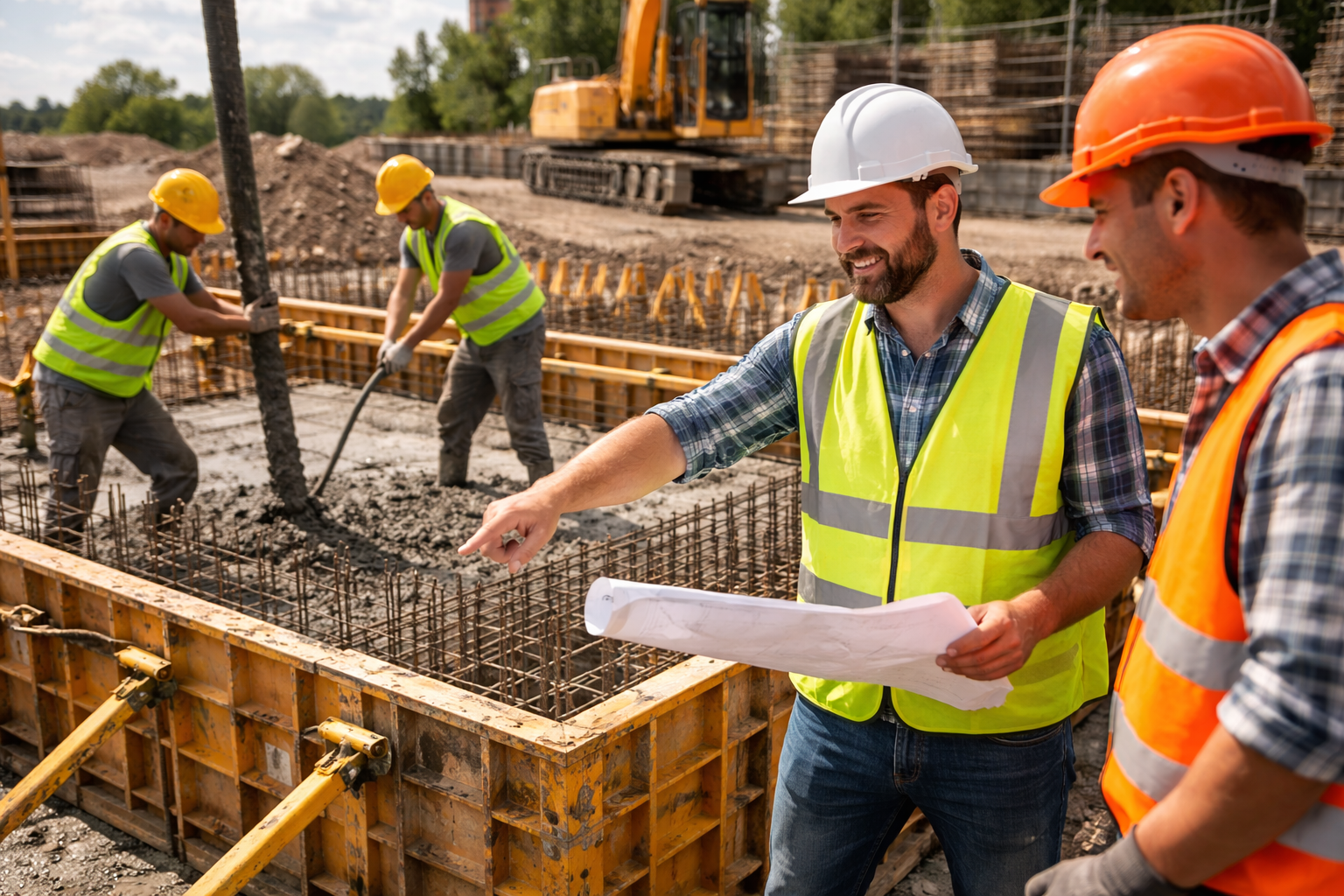
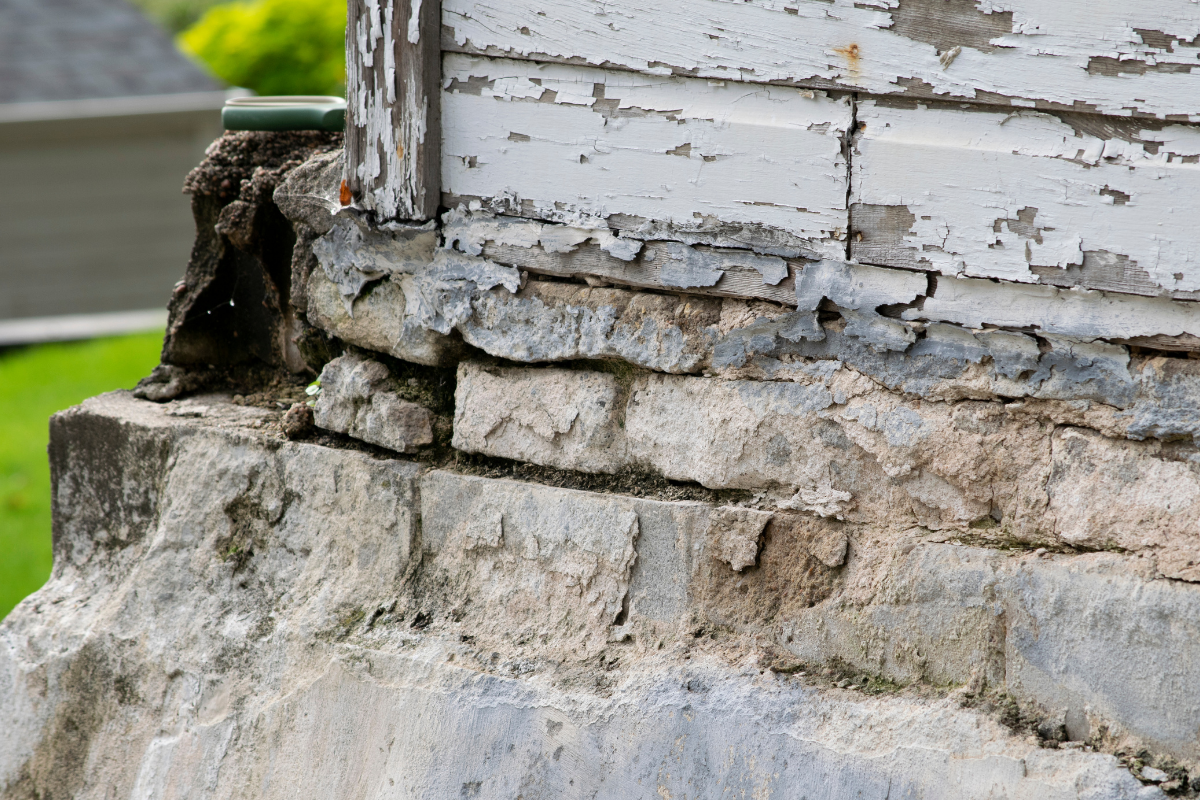
Concrete problems often begin before the truck ever shows up. Forms, slabs, foundations, and frame concrete all depend on solid grading, clear access, and soil ready to support the work. Late planning can leave crews trying to fix site mistakes during the pour, when every delay costs more.
Early concrete planning gives the whole project a cleaner path. Griffin Contracting helps connect site work and concrete construction so the ground, utilities, equipment, and crew timing all line up. A better plan helps prevent rushed decisions when the concrete needs to be placed right the first time.
You Should Invest in Professional Site Prep in Savannah, GA
A site that looks ready can still hide problems that slow crews, raise costs, and strain the whole project. Griffin Contracting helps bring the hard parts into view early, from drainage and soil support to utilities, demolition, access, and concrete planning. When the ground is prepared with care, the build starts with more control and fewer surprises.
Frequently Asked Questions
How do I know if land is ready for construction?
Land is ready for construction when drainage, soil, access, utilities, and cleared work areas all support the build plan. A site that only looks open can still hide problems that delay crews once heavy work begins.
What happens if site prep is done poorly?
Poor site prep can lead to standing water, weak soil support, blocked access, utility conflicts, and costly schedule problems. Small issues in the dirt often become bigger problems once concrete, paving, and building work begin.
Why does drainage matter before building construction starts?
Drainage matters because water can soften the ground, flood trenches, damage base material, and slow down equipment. A clear drainage plan helps protect the site before the first major phase of construction begins.