

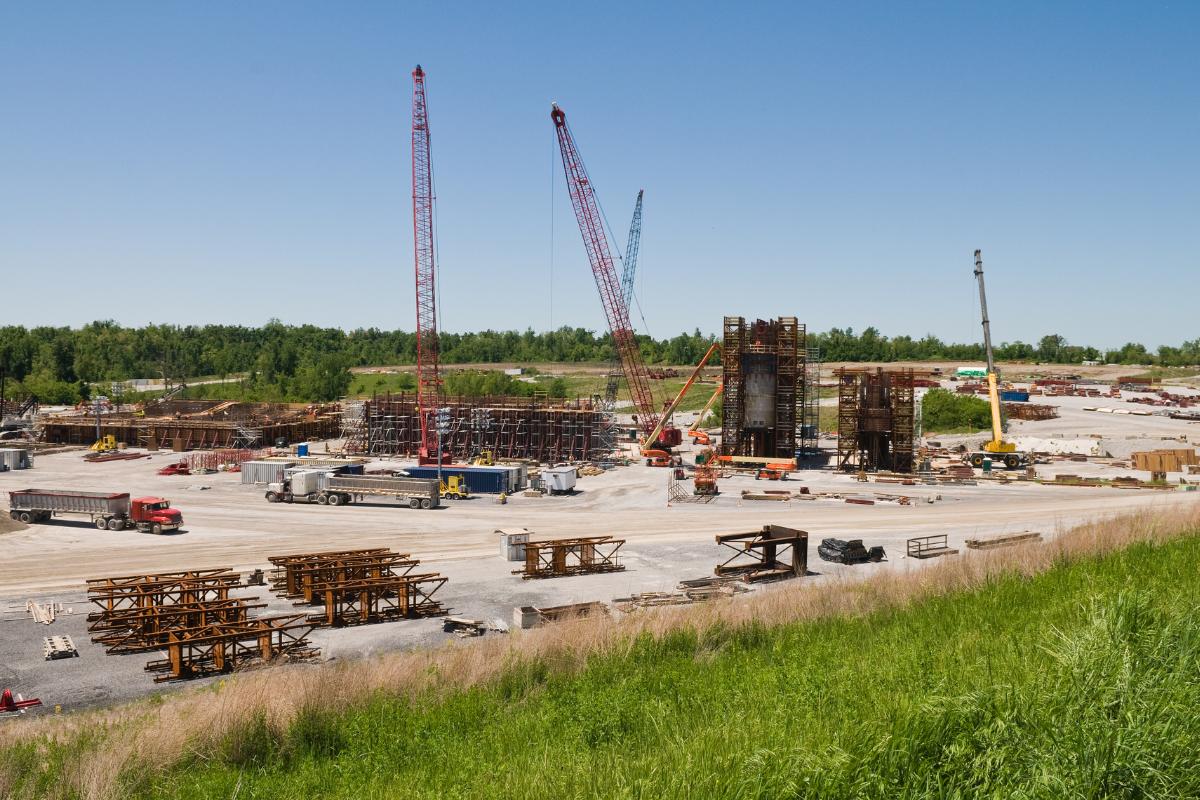
A project can look ready on paper. Then crews reach the ground and find problems. Working with experienced contractors in Savannah helps teams handle site issues before they slow the build.
Griffin Contracting helps builders, developers, and public agencies start with a cleaner plan. Good site preparation makes it easier to manage access, drainage, utilities, and earth moving. Crews can move faster when early work isn’t left for later.
Keep reading to see how better site preparation can save time before building starts.
Key Takeaways
- Good site prep helps crews find problems early, before they slow the job down.
- Drainage, utilities, and earth moving can affect the whole build from day one.
- A clean site gives each crew a better start and helps the project move with fewer surprises.
The Ground Tells The Truth
The ground can reveal problems that paper plans miss. Soft soil, buried debris, uneven grades, and poor access can slow the job once crews and materials are already on site. Good site preparation helps the team deal with those issues before they turn into schedule problems.
Early prep gives each crew a better place to start. Equipment can move safer, materials can be staged with less stress, and the work area can support the next phase. That cleaner start helps the build move forward without small site issues piling up later.
Utilities Need Room To Work
Underground systems can slow a project fast when they get treated like small side tasks. Water lines, sewer systems, storm drainage, and pipe work often need space, timing, and careful planning before other site work can move ahead. Roads, pads, and structures can get held up when utility work is pushed too far down the list.
Smart builders plan for utilities early because those systems affect the whole schedule. Crews need room to dig, place pipe, test lines, and close the area without blocking the next phase. Griffin Contracting helps builders and developers hand off this work to a team that understands how underground systems shape the full job.
Earth Moving Shapes The Schedule
Earth moving decides how the site will work once more crews arrive. Cutting, filling, compacting, and grading need to happen the right way so trucks, machines, and materials can move without delays. Poor earthwork can leave soft spots, rough access, and extra fixes for the next crew.
A solid start helps the site stay useful instead of crowded and hard to manage. Good grading can support drainage, staging, traffic flow, and the next phase of work. When the ground is shaped well early, the full project has a better chance to keep moving.
Start Cleaner With Better Site Preparation
A strong build starts long before the main structure takes shape. Griffin Contracting helps keep projects moving by handling the ground, drainage, utilities, and access work that can slow everything down when left too late. Better site preparation gives each crew a cleaner start, fewer surprises, and a better chance to stay on schedule.
Frequently Asked Questions
How does early site preparation help prevent construction delays?
Early site preparation helps crews find problems before the main build starts. Drainage issues, soft ground, poor access, and utility conflicts are easier to fix before the schedule gets tight.
What should be handled before building construction begins?
Crews should handle grading, earth moving, drainage, pipe work, sewer systems, and access routes before major construction begins. These steps help the site support the next phase without extra stops and fixes.
Why does underground work matter so much during site preparation?
Underground work matters because water lines, sewer systems, and drainage can affect everything built above them. When these systems are planned early, crews can avoid costly rework later.